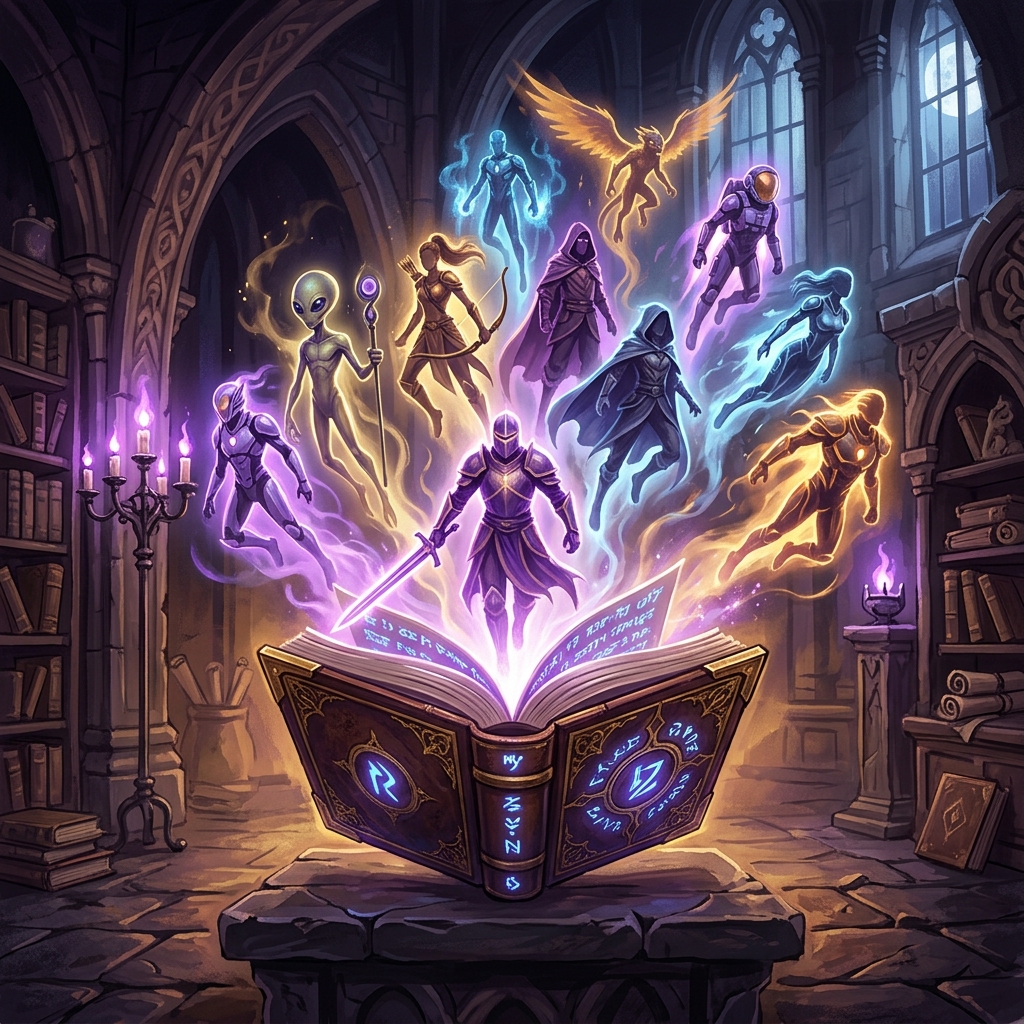

Every writer reaches a point where an idea feels clear in their head, but getting it onto paper feels like wading through mud. You have a premise—maybe a lone detective in a sun-drenched coastal town, or a starship pilot who hears music in vacuum—but the execution stalls.
This is precisely where AI story generators shine. Rather than viewing artificial intelligence as an automated ghostwriter, the secret to great storytelling lies in treating it as an tireless creative sounding board.
1. Start with the Core Conflict, Not Just a Setting
When prompting an AI generator, many people make the mistake of giving generic instructions like "Write a fantasy story about a dragon." The output is inevitably predictable.
To get rich, human-sounding narrative beats, feed the engine a clear core conflict:
- Weak Prompt: "Write a sci-fi story set on Mars."
- Strong Prompt: "Write a high-tension scene where an archivist on Mars discovers an ancient recorded audio message that contradicts everything the colony believes about Earth."
By establishing stakes and tension upfront, the AI generates dramatic momentum that you can refine and expand.
2. Use AI for Rapid Scene Exploration
Have you ever wondered 'What if my main character chooses the second path instead?' Testing multiple narrative paths manually can take hours. With AI, you can test three different narrative branches in under two minutes:
- Option A: The protagonist surrenders peacefully to protect their crew.
- Option B: The protagonist attempts a desperate bluff.
- Option C: An unexpected third party interrupts the standoff.
Reading through these rapid variations helps you spot plot holes and pick the twist that carries the highest emotional weight.
3. Polishing Dialogue for Emotional Resonance
AI is fantastic at drafting narrative structure, but human writers excel at subtext and emotional nuance. Once your AI story generator drafts a conversation, step in to refine the cadence:
- Cut repetitive lines or overly formal explanations.
- Inject realistic pauses, body language, and unspoken tension.
- Ensure each character speaks with a distinct rhythm and vocabulary.
The Verdict: AI as your Co-Pilot
The most memorable stories will always stem from genuine human emotion and lived experience. AI doesn't diminish that—it accelerates your ability to explore ideas, conquer blank page syndrome, and craft narrative worlds that captivate readers.